
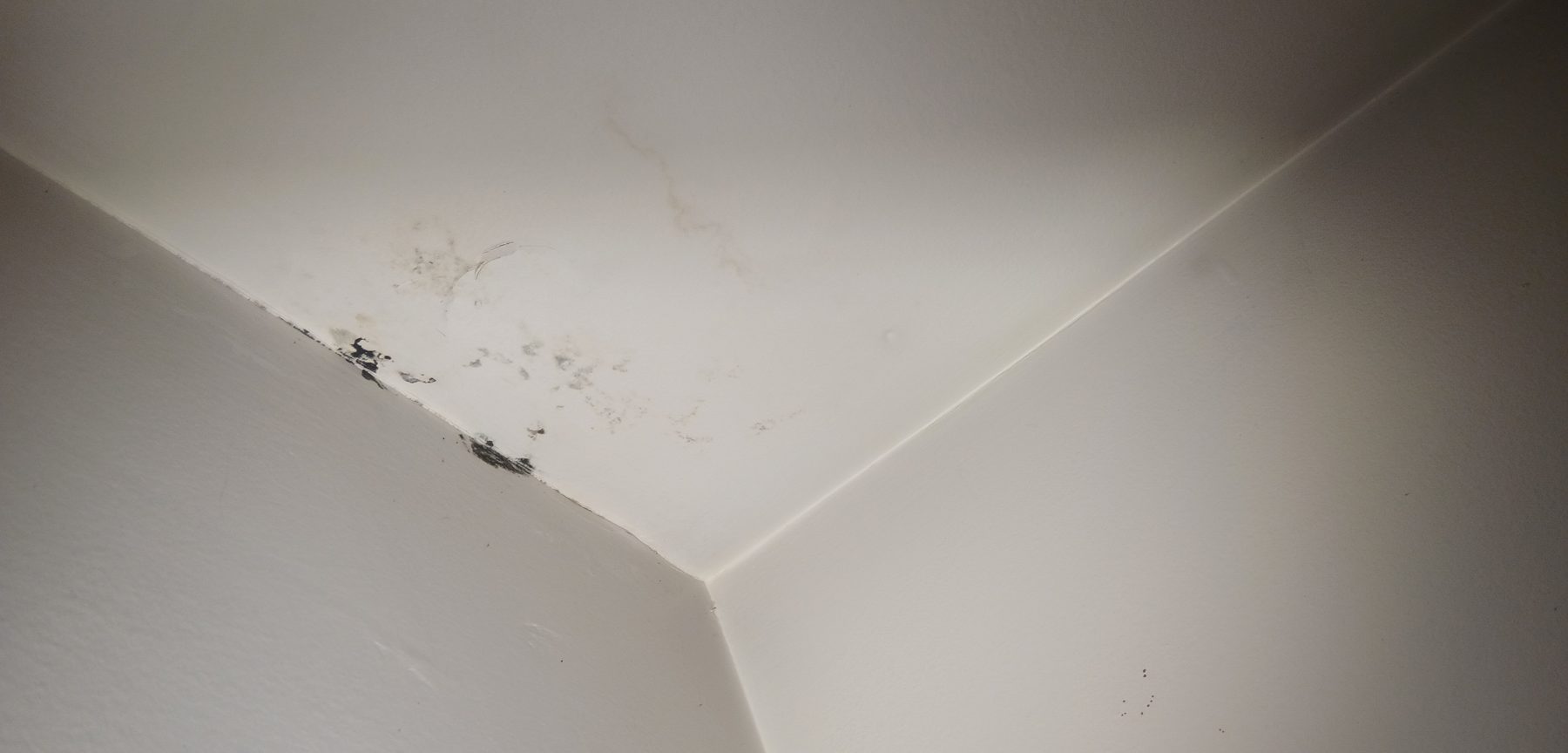
This five-part series by Annapolis attorney Christopher L. Beard explains how Maryland law treats mold in rental housing, jurisdiction by jurisdiction. Each part covers the Maryland Tenant Mold Protection Act, Real Property Article § 8-220, the local housing code and the agency that enforces it, and the public health findings of the World Health Organization, the National Institute of Environmental Health Sciences, and the Environmental Protection Agency. Each part closes with the steps a tenant should take.
Part 1
Mold in Anne Arundel County RentalsThe County Property Maintenance Code, enforced by the Department of Health's Housing Protection Services Program, and the separate housing code inside the City of Annapolis.
Part 2
Mold in Baltimore City RentalsThe City's Property Maintenance Code and 311 complaints, rental licensing inspections, and Baltimore City's own rent escrow law.
Part 3
Mold in Baltimore County RentalsThe Baltimore County Livability Code, the County rental housing license, and its home inspection requirement.
Part 4
Mold in Prince George's County RentalsSubtitle 13 of the County Code, enforcement by the Department of Permitting, Inspections and Enforcement, and municipalities with their own housing codes.
Part 5
Mold on Maryland's Eastern ShoreThe State Minimum Livability Code and local programs on the Shore, with facts drawn from Chris Beard's cases in Worcester, Somerset, Queen Anne's, and Dorchester Counties.
To discuss a mold problem in a Maryland rental, e-mail chris@attorneybeard.com or call (410) 267-0227. You can also return to the attorneybeard.com home page.


