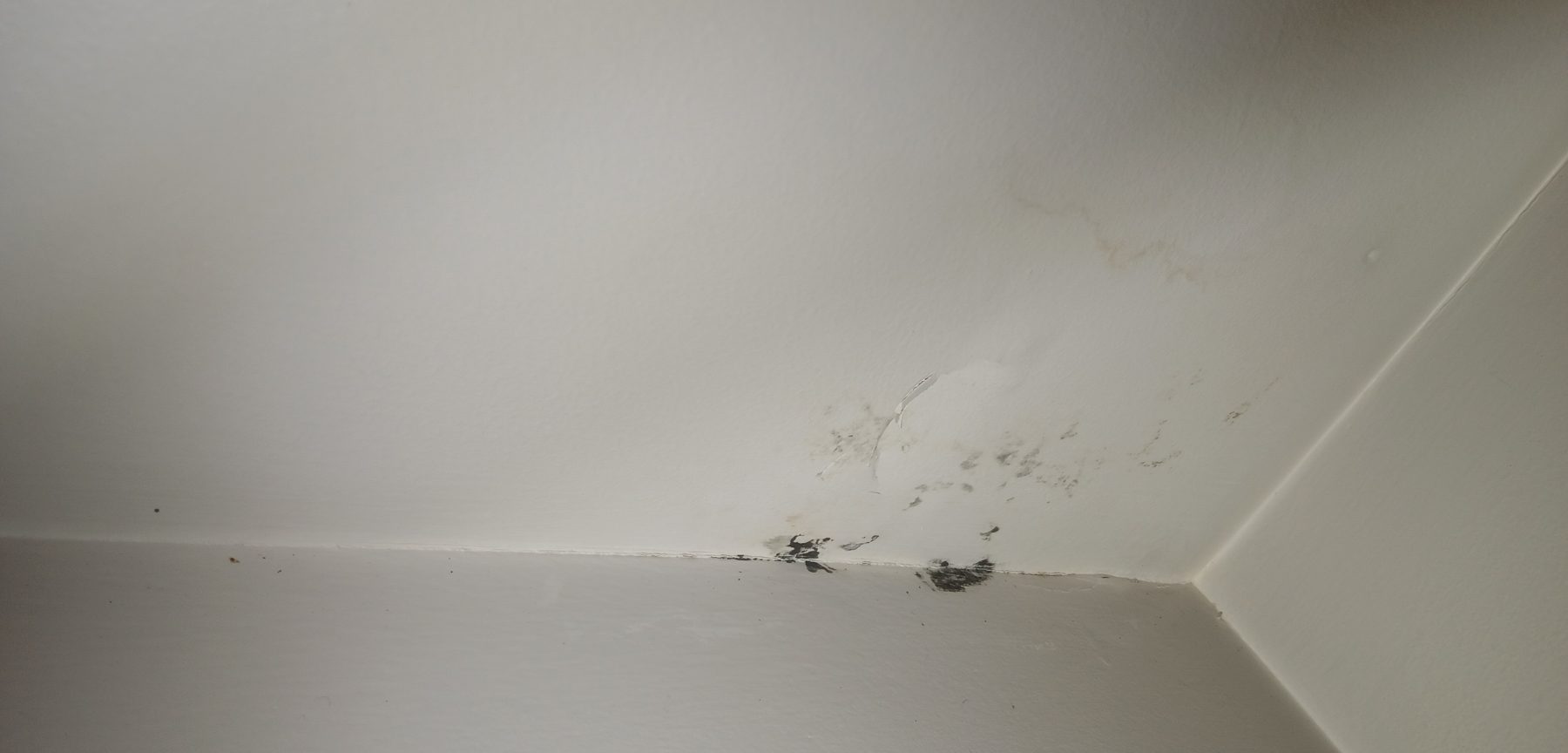
Maryland now gives tenants specific protections when mold appears in a rental home. The General Assembly passed the Maryland Tenant Mold Protection Act as Senate Bill 856, and the Governor signed it as Chapter 539 of the 2025 Laws of Maryland. The law took effect on July 1, 2025, and it sets deadlines that landlords must meet once a tenant reports mold in writing.
Landlords must give each tenant a pamphlet on mold when the lease is signed, and again every two years thereafter when the tenant asks. The Maryland Department of the Environment may use the Environmental Protection Agency's guide, A Brief Guide to Mold, Moisture and Your Home, as that pamphlet. The landlord must also ask the tenant to sign a statement acknowledging receipt.
After a landlord receives written notice of suspected mold, the landlord must perform a mold assessment within 15 days. Written notice matters. A phone call or a conversation in the hallway may not start the clock, so send an e-mail, a letter, or a message through the landlord's online portal, and keep a copy that shows the date. You can read more in our article on giving written notice under the Act.
If the assessment finds mold, the landlord must complete remediation within 45 days after the assessment. If remediation within that period is not feasible, the law requires the landlord to complete it within a reasonable time. The assessment and remediation must follow recommended industry guidelines and best practices. During the work, the landlord must communicate with occupants and provide updates, and at all times the landlord must ensure proper ventilation and low indoor humidity.
These deadlines give tenants a clear measure of whether a landlord responded properly. A landlord who misses them, skips the assessment, or performs work that does not follow industry standards creates a record that may support rent escrow, a habitability claim, or an injury claim. Keep copies of your notice, the landlord's responses, any assessment report, and photographs of the work. You can read more in our article on what the Act requires of landlords.
If you have given written notice and your landlord has not met these deadlines, or if mold has affected your health and you are weighing a mold injury claim, e-mail chris@attorneybeard.com or call (410) 267-0227.