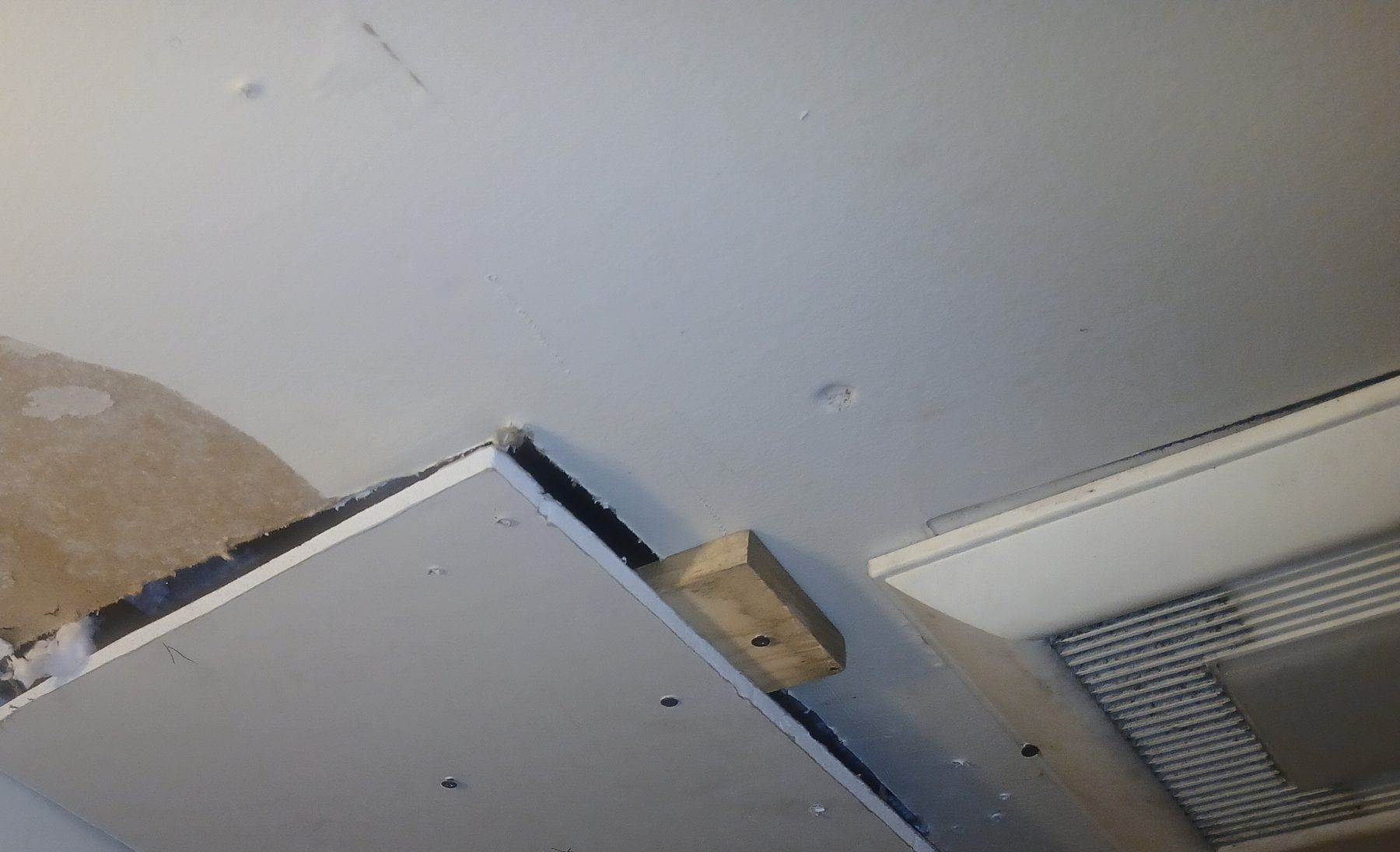
Water damage often outlasts the water. Once materials dry, an infrared camera and a moisture meter may find nothing, yet the history of the leak remains visible to anyone who knows where to look. Speakers at the October 2026 Safe Housing Collaborative conference walked through the signs that record past water problems and the documents that can show who knew about them.
Tide lines on walls and ceilings show how far water spread and how often it returned. Bubbling paint, swollen baseboards, cupped flooring, rusted fasteners, and white mineral deposits all record past moisture. Fresh paint, stain-blocking primer, new drywall patches, or new flooring confined to a single room can mark a leak someone covered over. When someone opens such a wall, the framing behind it often shows stains or rot.
Some molds tell their own history. Water-indicator molds such as Stachybotrys, Chaetomium, and Trichoderma grow only on materials that stayed wet for a long time. Finding them points to a sustained water problem rather than a brief spill. Testing of settled dust by a laboratory method called polymerase chain reaction (PCR), including the Environmental Relative Moldiness Index (ERMI), can capture months or years of accumulated mold in a home.
Paper often matters as much as physical evidence. Maintenance work orders, repair invoices, earlier tenant complaints, and insurance claim histories, such as Comprehensive Loss Underwriting Exchange (CLUE) reports, can show both that water entered the building and that the owner knew about it. A landlord's knowledge of the problem frequently decides whether a tenant can recover for an injury.
Photograph any stains, patches, warped floors, or fresh paint as soon as you notice them, and note the date. Keep every e-mail, text, portal message, and repair ticket you send or receive. Ask neighbors whether they had similar problems. To discuss a Maryland mold injury claim, e-mail chris@attorneybeard.com or call (410) 267-0227.


