A landlord who answers a mold complaint with a paid remediation invoice has shown that someone did some work. The invoice does not show that the home became safe to occupy. At the October 2026 Safe Housing Collaborative conference, Michael Rubino of the Change the Air Foundation summed up the point on one slide: a finished project is not necessarily a resolved environment.
Mr. Rubino identified five common reasons remediation fails. The first is an incomplete assessment, and the second is a narrow or incorrect scope of work. The third is treating mold instead of removing it, the fourth is incomplete cleaning, and the fifth is the absence of independent verification at the end. Any one of these failures can leave occupants exposed to the same hazard they reported.
The presentation treated remediation as five pieces of one problem. Source means correcting the leak or moisture that fed the growth. Removal means taking out contaminated materials. Environment means cleaning beyond the visible source, and contents means addressing affected belongings. Verification means independently confirming the result. Skipping one piece can undo the pieces done correctly, which is why painting over growth or cutting out one patch of drywall while the leak continues so often fails.
Presenters reduced proper remediation to four steps in order: test, remove, correct the source, and retest. They tied that sequence to the professional mold remediation standard published by the Institute of Inspection, Cleaning and Restoration Certification (IICRC), known as Standard S520. The standard also calls for containment and pressure control, so that spores stay inside the work area instead of spreading through the home.
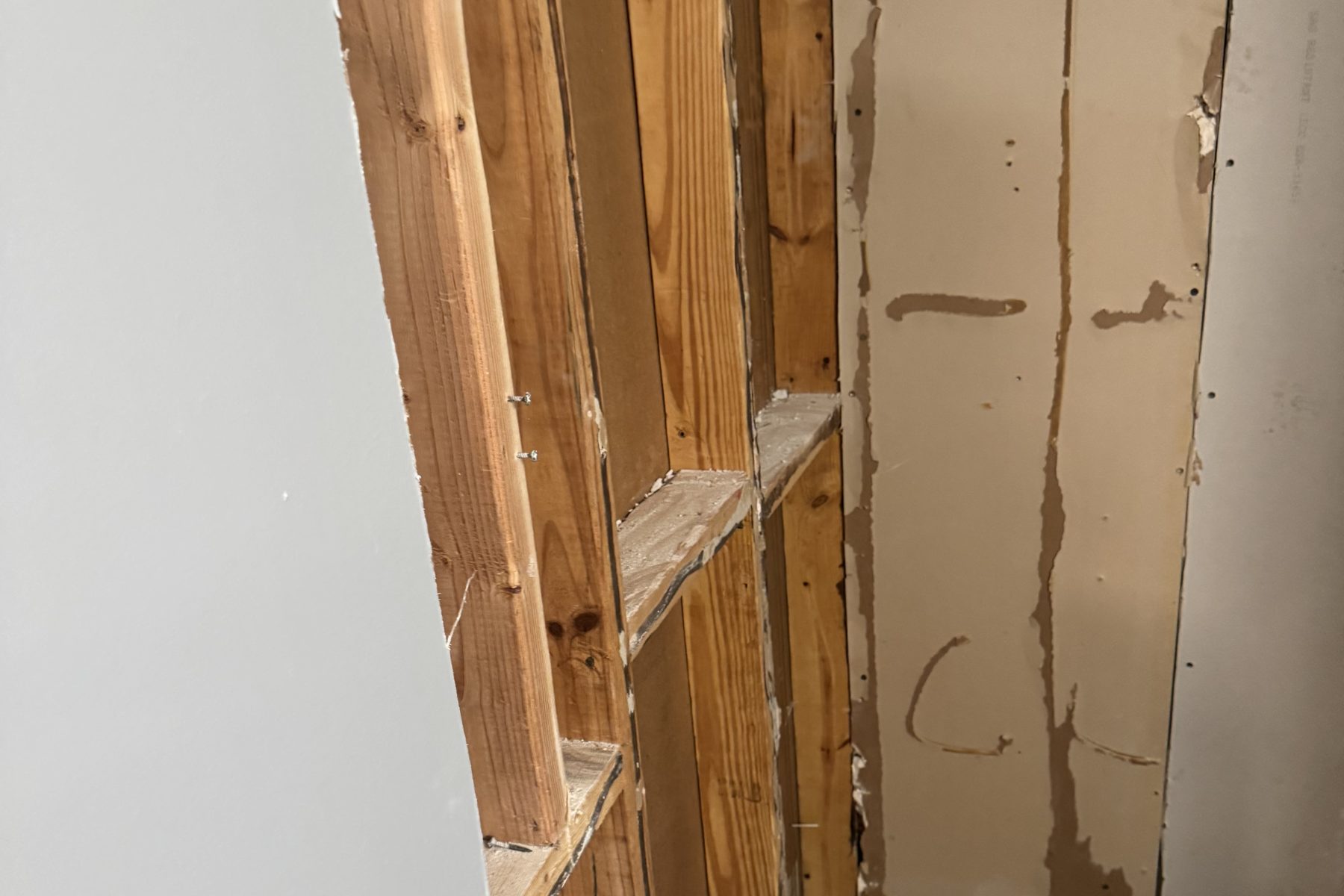
Assessors on the panel described the same problems again and again. Contractors skip walls the protocol designated, leave framing uncleaned, leave debris at the base of the wall, and build poor containment. Covering mold with white encapsulant paint so no one can see it counts as an automatic failure. Proper containment uses two stages, with a decontamination chamber between the entry and the work area.
If your landlord tells you the mold has been handled, ask for the scope of work, containment photographs, and any clearance testing. To discuss a Maryland mold injury claim, e-mail chris@attorneybeard.com or call (410) 267-0227.


