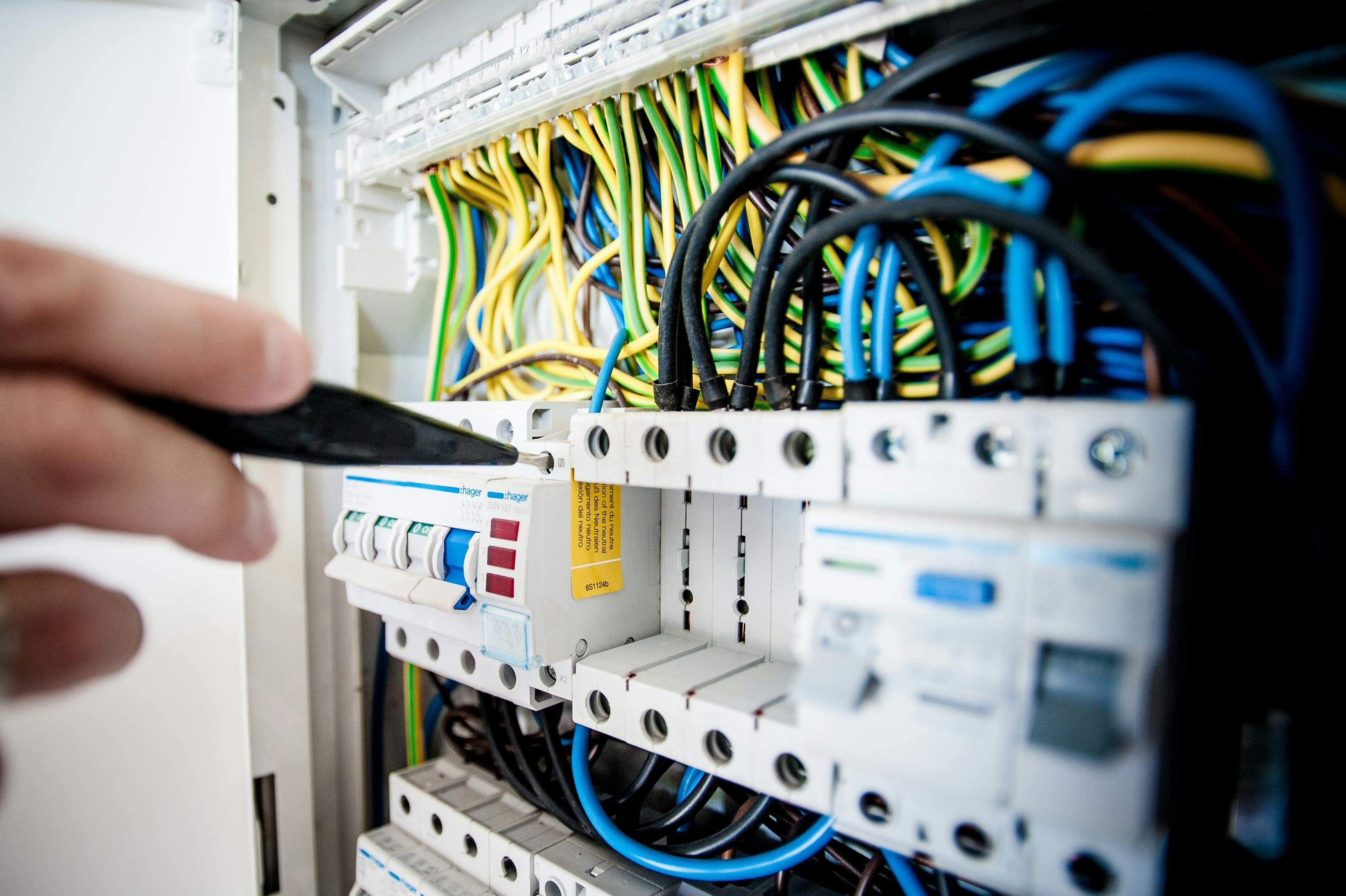
Faulty wiring injures people in homes, rental units, and businesses every year. When a property owner, landlord, or contractor ignores a known electrical hazard, the injured person may have a claim. This article explains common wiring hazards, who answers for them, and what to do after a shock.
Older buildings may still contain knob and tube wiring, cloth-insulated wiring, or aluminum branch circuits, each of which carries known risks. Missing ground fault circuit interrupters near water, overloaded circuits, loose outlets, and exposed conductors cause many shocks. Water leaks that reach wiring create a particular danger, especially in basements and bathrooms.
Outlets or switch plates that feel warm, lights that flicker, breakers that trip repeatedly, and a burning smell all signal trouble. A tingle from an appliance or faucet means current is reaching a place it should not. Report these signs in writing to the landlord or owner and keep a copy.
Maryland landlords must keep rental units free of conditions that threaten health and safety, and a landlord who ignores a reported electrical hazard may answer for resulting injuries. Businesses owe customers reasonable care to discover and correct dangerous conditions. An electrician or contractor whose work violates the electrical code may also be responsible.
Get medical care promptly, even if you feel fine, and tell the provider you were shocked. Photograph the outlet, cord, or fixture, and do not let anyone discard the device if you can safely keep it. Write down what happened and the names of anyone who saw it.
Owners often repair wiring quickly after an injury, which can erase the most important evidence. A lawyer can send a preservation letter and arrange for an electrician or engineer to document the condition. Under Courts and Judicial Proceedings Article Section 5-101, a person must file most Maryland injury claims within three years.
Christopher L. Beard, an Annapolis attorney, has handled more than a dozen electrocution claims arising at construction sites, homes, and other locations. To discuss an electrical injury, e-mail chris@attorneybeard.com or call (410) 267-0227. You can also read our guide to electrocution claims in Maryland.


